
Sprache sucht Bauer? Language wants a farmer?
In my last news article I asked the question “Bauer sucht Frau, immer noch?” / Farmer wants a wife, still?” The question was triggered by Youth of European Nationalities (YEN) holding a seminar on tradition in the town of Oberwart, county Burgenland, Austria, where Susan Gal had examined the social determinants of language shift from Hungarian-German bilingualism to German monolingualism fifty years earlier. Gal found that young Oberwart women symbolised their preferred social status as worker over peasant with this language shift in the 1970s.
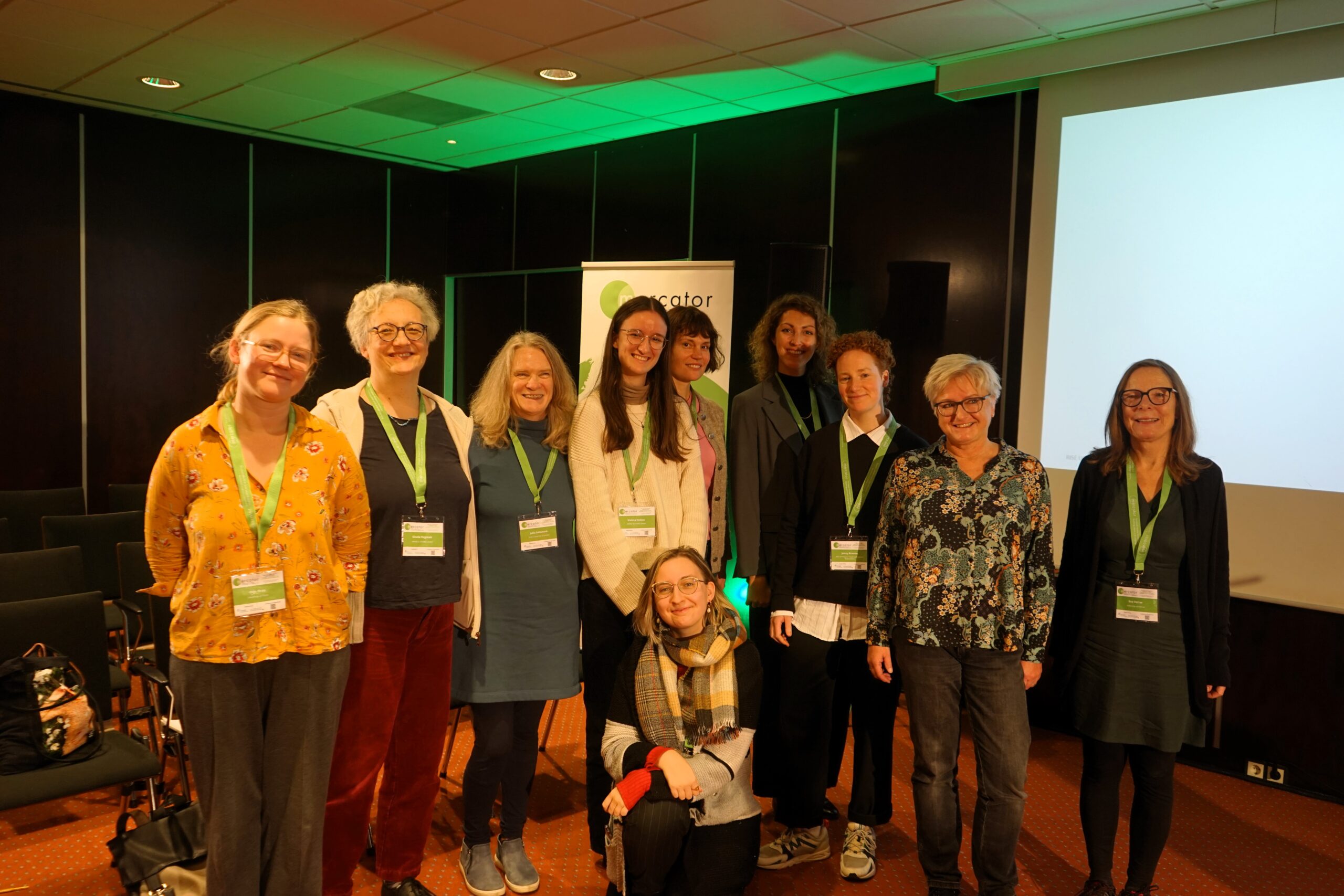
More recently, in March 2024, the RISE UP survey showed that 65% of Burgenland Croats, another recognised minority in Burgenland, still think that Austrian German has more prestige than Burgenland Croatian. In September 2024, representatives of the Burgenland Croatian community discussed this “image problem” at the RISE UP networking event Media Inside/Out – Perspectives on Minoritised Language Media. Calling it an “image problem” is simply a modern way of saying what Susan Gal described over 50 years ago: the language has low prestige.
So why would we turn the question round now?
The issue no longer seems to be about young women in the Burgenland choosing factory workers and German over Hungarian-German code-switching and farmers as partners. In 2026, Burgenland Croatian representatives are concerned about how to motivate young Burgenland Croats studying in Vienna to engage with and invest in their language and cultural heritage. So what has changed over the last 50 years?
Many young Burgenland Croats – both women and men – have moved from Burgenland to Vienna to study and work. Today, around 15,000 Burgenland Croats live in Vienna, but Austrian law supports Burgenland Croatian only in Burgenland, not in Vienna. This leaves a lot of Burgenland Croats in Vienna searching for their language[1] (and their identity).
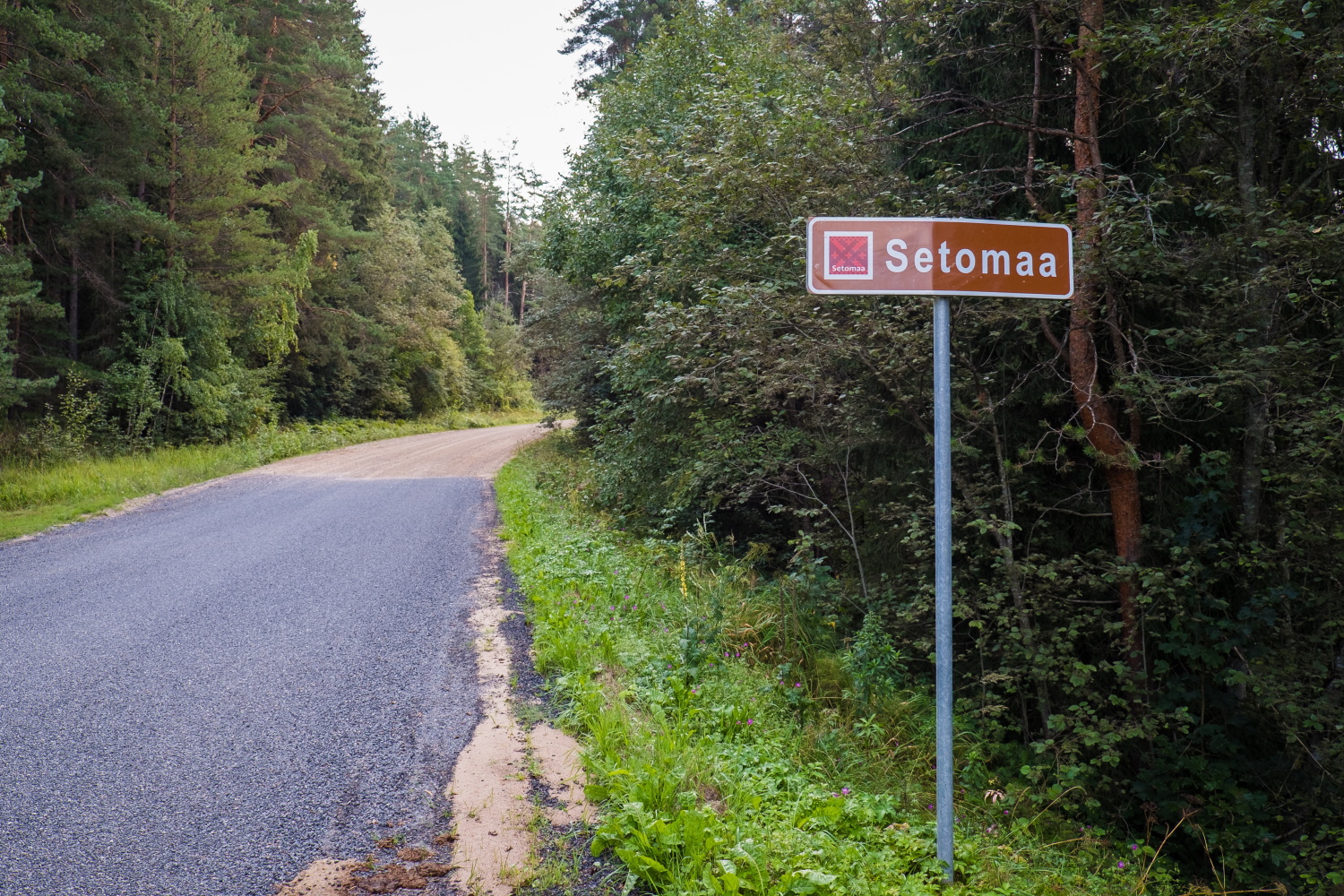
Similar patterns can be seen in the other minority communities RISE UP has been working with. Young Aranese speakers leave Val d’Aran after school to study or work in larger cities. Many Seto move to Tallinn. Many Aromanians leave the mountainous areas in the Balkans where their ancestors had practiced transhumance pastoralism to study or work in cities such as Thessaloniki, Athens, Bucharest, Sofia, Skopje, Tirana, or Korçë.
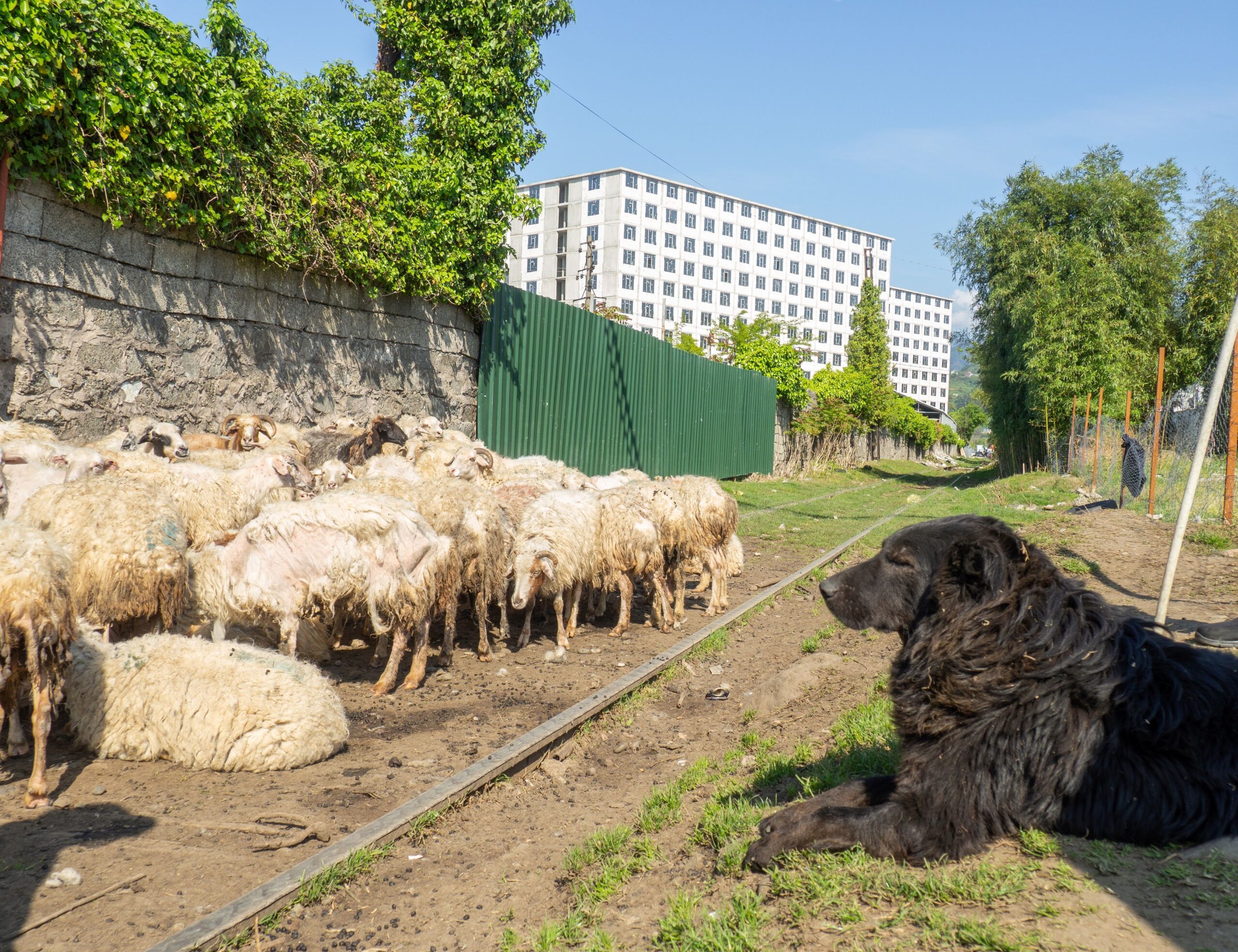
Many Aromanians and Seto who stayed in their traditional homelands now work in tourism or industries supporting the tourism sector, while keeping some sheep and sheep dogs and holding onto their language, culture and traditions to a certain extent. The Epiphany ritual of retrieving a cross from water, for example, continues in Anilio (central Greece), and Aromanian can still be heard spoken naturally in everyday interactions. These exchanges in the minority/minoritised language are, however, often brief and speakers switch to the national language after greetings and polite exchanges.
Do Aranese, Aromanians, Burgenland Croats, Cornish and Seto want to stop this language shift? Some do. Others feel there is little they can do. Languages and cultures need a broad community to maintain and actively use them, not just farmers. What kind of cooperation and support do the people need who want their languages to survive as vehicles of everyday conversation under the changed circumstances outlined at the beginning of this article?
To support language maintenance and revitalisation, intergenerational transmission must be valued. The language skills of people – especially young people with partial knowledge – need to be recognised, encouraged and built upon. Because transmission within families is declining, all opportunities to hear, learn, and use minority languages have to be promoted and expanded. This includes compulsory and supplementary education and public life, including social and digital media, leisure and cultural activities, and requires language policies that offer real support, not only in the territories these languages are traditionally spoken in, and not only in symbolic ways.
The author of this article firmly believes that bi/multilingualism is sustainable and linguistic and cultural diversity can be safeguarded in Europe and beyond. This requires reflection, realistic goals, vision, motivation, time, energy, and resources. We would like to thank everyone who has shared all this with us over the past three years. To answer the question asked at the end of RISE UP’s last networking event, ‘Who wants to stay in touch?’, – we do!
Author: Eva Eppler
Links
News Article Bauer sucht Frau, immer noch? – Farmer wants a wife, still? – RISE UP
YEN Home – YEN
Networking event https://www.riseupproject.eu/events/workshop-media-inside-out-new/
HAK About | HAK
Project kroatische Schule Wien https://www.hrvatskicentar.at/de/projekt-hrvatska-skola-u-becu
[1] There is light at the end of the tunnel. Hrvatski Akademski Klub (HAK) is starting a continuous bilingual education programme from Kindergarten to university entrance level exams (Abitur/Matura) in September 2027, and the Department for the Minority School sector in Burgenland is working towards an immersion programme.