
What does ECRML Part III recognition mean for Cornish language revitalisation?
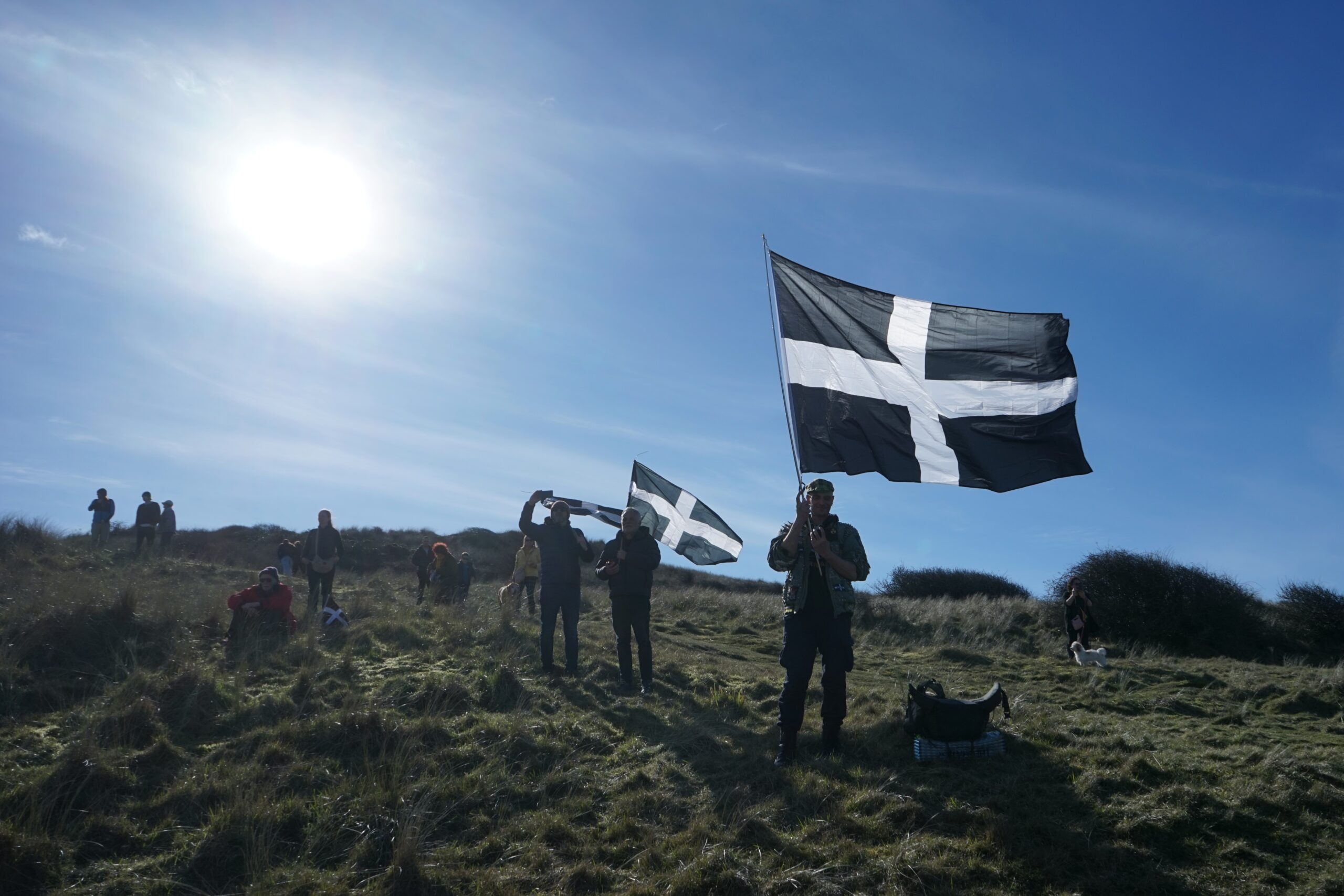
The recent announcement that Cornish (Kernewek) will be covered under Part III of the European Charter for Regional or Minority Languages marks an important moment for those who have spent decades working to sustain and promote the language. This designation now places Cornish alongside Welsh, Irish Gaelic and Scottish Gaelic at the highest level of recognition available under the Charter, following years of advocacy by community members and groups, educators and cultural organisations across Cornwall and beyond.
We contacted a few people who are involved in the revitalisation and promotion of the Cornish language to ask for their views on this development. They all welcomed it as an important and long-awaited development for the language and the community. However, they did not perceive it as an endpoint, but as a moment that calls up a much older question: what, in practical terms, will follow this official recognition?
Pol Hodge, a long-standing Cornish language activist and former Grand Bard of Gorsedh Kernow (2021-2024), welcomed the recognition but warned against confusing symbolic status with linguistic security. He pointed to a long-standing imbalance between cultural celebration and structural support, particularly in education. “It’s splendid news that Cornish is recognised under Part III,” he said, “but without money for education Kernewek will die – slowly and painfully.” While Hodge recognises the role of the arts in maintaining the language, he believes that the future of Cornish depends a lot more on the sustained training of teachers (especially in early years and primary education), as well as the availability of translators, voice coaches and fluent speakers. Part III status, he suggested, may be “a cherry on the cake”, but the question remains: who will pay for the cake?
From within Cornwall Council (as enshrined in its Cornish Language Strategy document, Cornwall Council, 2015), the emphasis has been on continuity and long-term planning rather than sudden change. Jowdy Davey, Cornish Language Lead at the Cornish Language Office, described the move to Part III as recognition of “many decades of tireless work by the Cornish language community to protect and develop the language”, placing Cornish in “a better, more organised position to fulfil Part III expectations”. However, she cautioned that “no changes will happen overnight”, but argued that the additional support of international recognition provides a stronger platform from which to further develop work across education, media, technology and community use.
For Cornish language teacher and educational practitioner Julie Tamblin, the shift to Part III raises deeper questions about accountability and action. While welcoming what she described as a “symbolic shift” in status, she stressed that its significance would depend on how it is translated into practice. “What I now look to see,” she wrote, “is how Cornwall Council intends to translate this symbolic shift into meaningful action.” For Tamblin, the moment is singular: “This chance will never come again.” Any response, she argues, must be rooted in Cornwall’s distinctive language ecology, recognising both Cornish and Cornu-English as central to Cornish identity.
Political leaders in Cornwall have framed the announcement as both recognition and responsibility. Councillor Sarah Preece, Portfolio Holder for Tourism, Localism and Planning, described Kernewek as “a fundamental part of Cornwall’s unique identity”, calling the decision “a huge step forward”. Councillor Dick Cole, chair of the Fifth Nation Working Group, welcomed the development but emphasised that “the priority must now be for the Government to work with the people of Cornwall to better support and promote our national language”, linking the recognition to wider questions of governance and devolution in Cornwall. Council Leader Leigh Frost similarly highlighted the years of efforts by community members that led to the recognition, describing it as “an important step in strengthening our culture for future generations”.
Beyond official recognition, there is evidence of growing interest in the Cornish language in the community and beyond. For example, Cornwall Council reports that in 2024–2025 more than one million searches were made using the online Cornish dictionary, alongside over 650 translation requests handled by the Cornish Language Office team. More than 200 people now sign up for Kernewek classes each year, and almost 6,000 primary school pupils take part in the Go Cornish for Primary Schools programme. These figures point to momentum, but they also underline the scale of the task ahead.
What emerges most clearly from the responses to Part III recognition is a shared understanding that international status and official alone do not secure a language’s future. For activists, educators and policymakers alike, the announcement brings renewed visibility, but with it comes renewed responsibility. The recognition of Cornish under Part III has opened a door. Whether this door leads to sustained, well-resourced support for the language will depend on the choices and actions that follow next, and on how closely institutions are prepared to work with the communities, groups and individuals whose efforts made this moment possible in the first place.
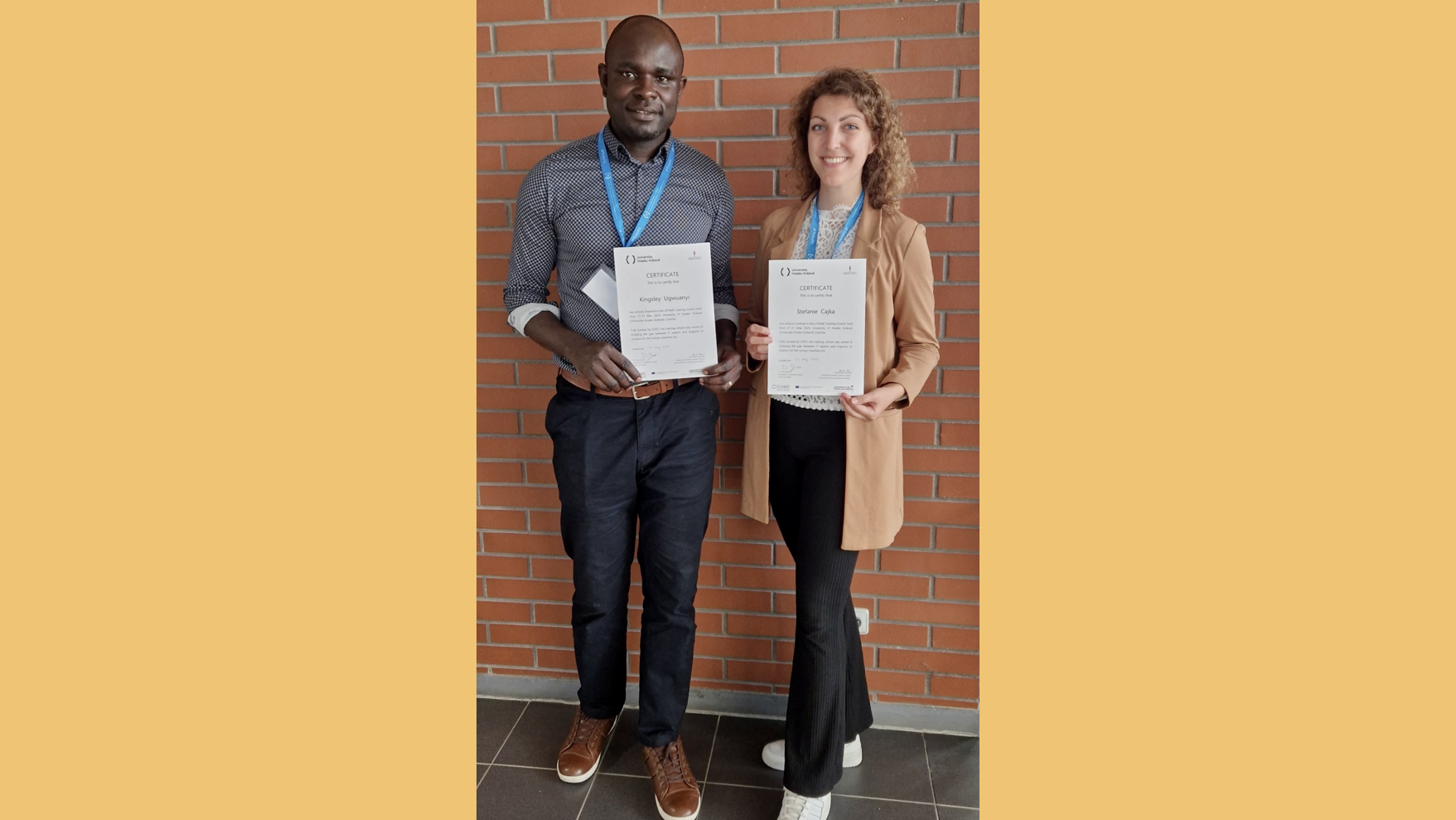
Authors: Kingsley Ugwuanyi & Julia Sallabank
Links
Akademi Kernewek. (n.d.). Cornish dictionary. https://www.cornishdictionary.org.uk/?locale=en
Cornwall Council. (2025, November 27). Milestone for Cornish language after securing Part III status alongside Welsh and Gaelic. https://www.cornwall.gov.uk/council-news/council-budgets-and-economy/milestone-for-cornish-language-after-securing-part-iii-status-alongside-welsh-and-gaelic/
Cornwall Council. (2015). Cornish language strategy: 2015-2025. https://www.cornwall.gov.uk/parks-leisure-and-culture/the-cornish-language/cornish-language-programme
Council of Europe. (1992). European Charter for Regional or Minority Languages. https://www.coe.int/en/web/european-charter-regional-or-minority-languages
Council of Europe. (2025, December 5). Protection of Cornish under the European Charter for Regional or Minority Languages extended. https://www.coe.int/en/web/european-charter-regional-or-minority-languages/-/protection-of-cornish-under-the-charter-extended
Keywords
Cornish language; Kernewek; language revitalisation; European Charter for Regional or Minority Languages; minority language policy; language education; Cornish identity