

Voices of Community

RISE UP – Voices of Community

An Album of Minoritised Language Music, Songs, and the Spoken Word

ABOUT THE RESIDENCY

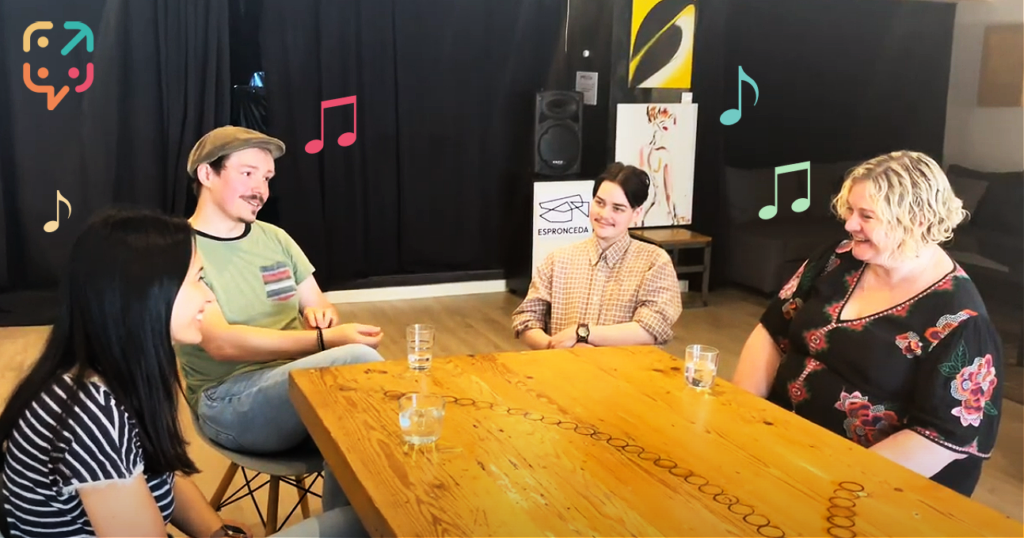
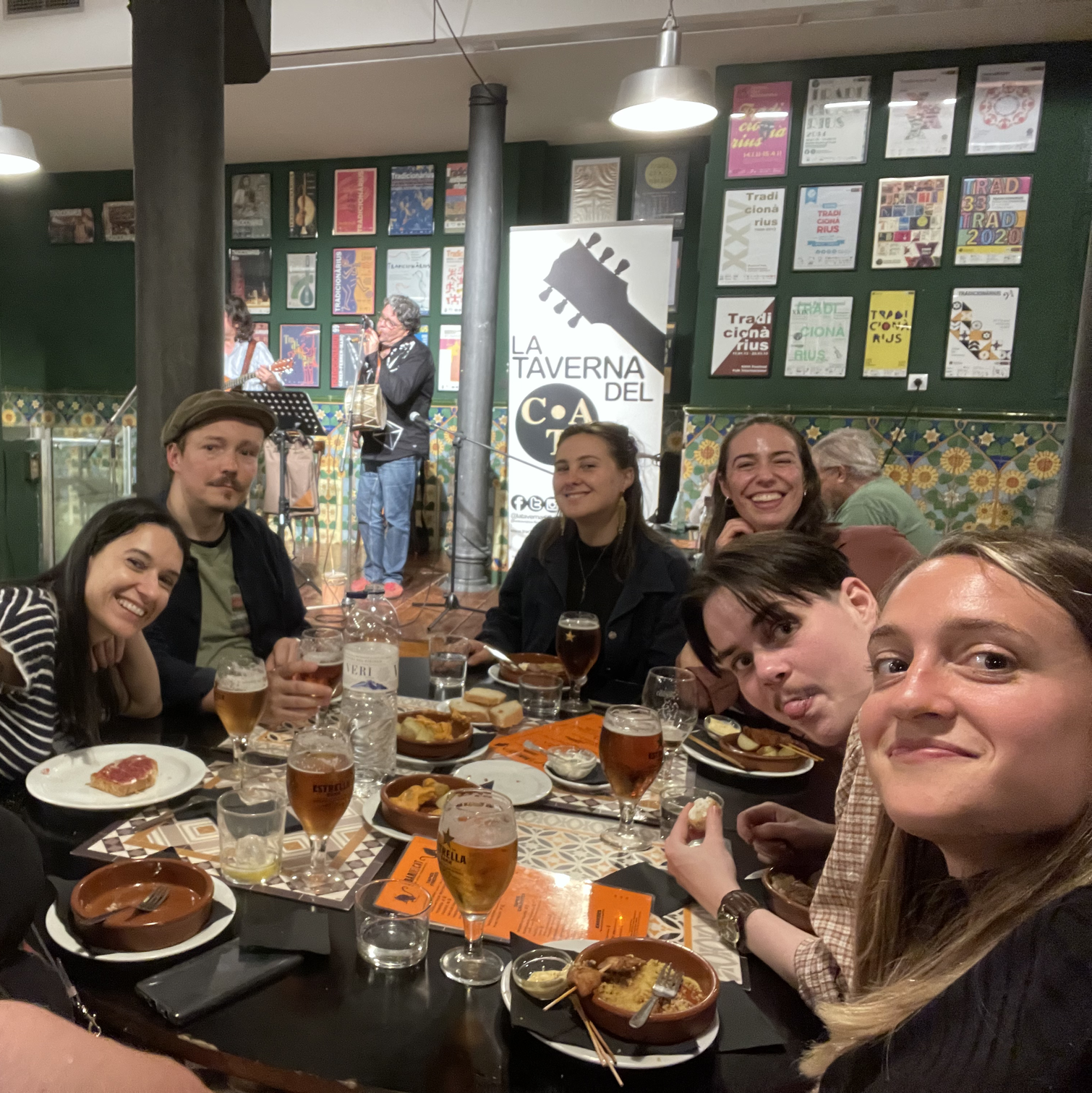
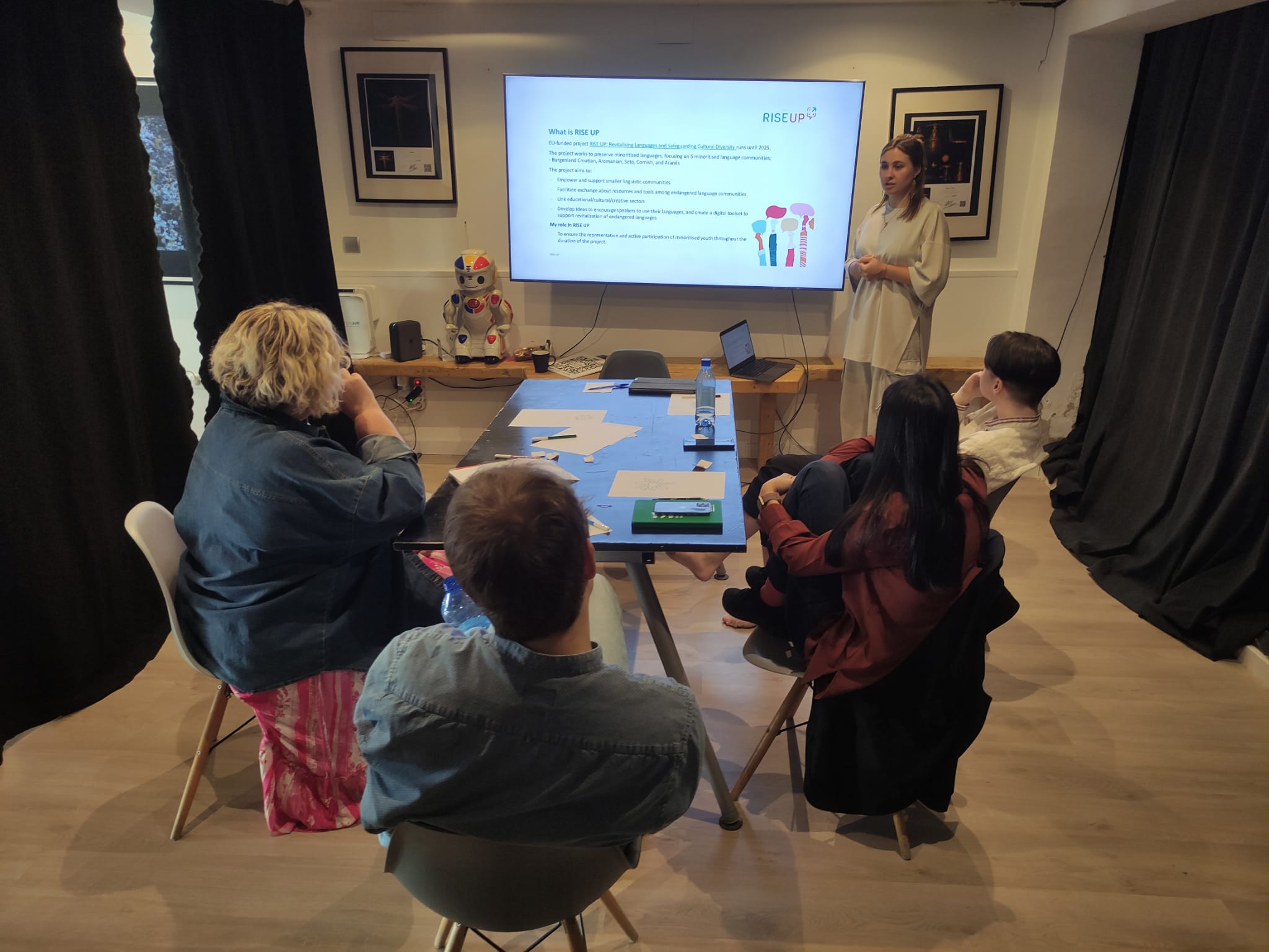
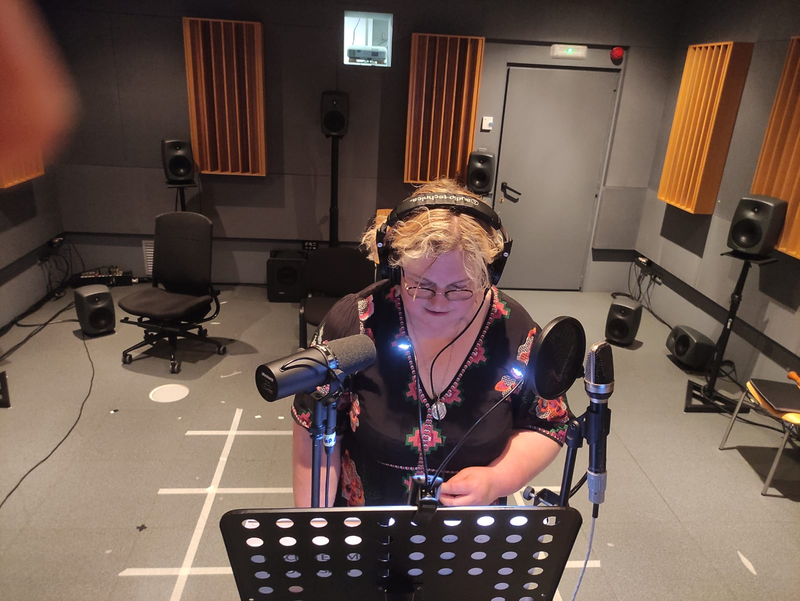
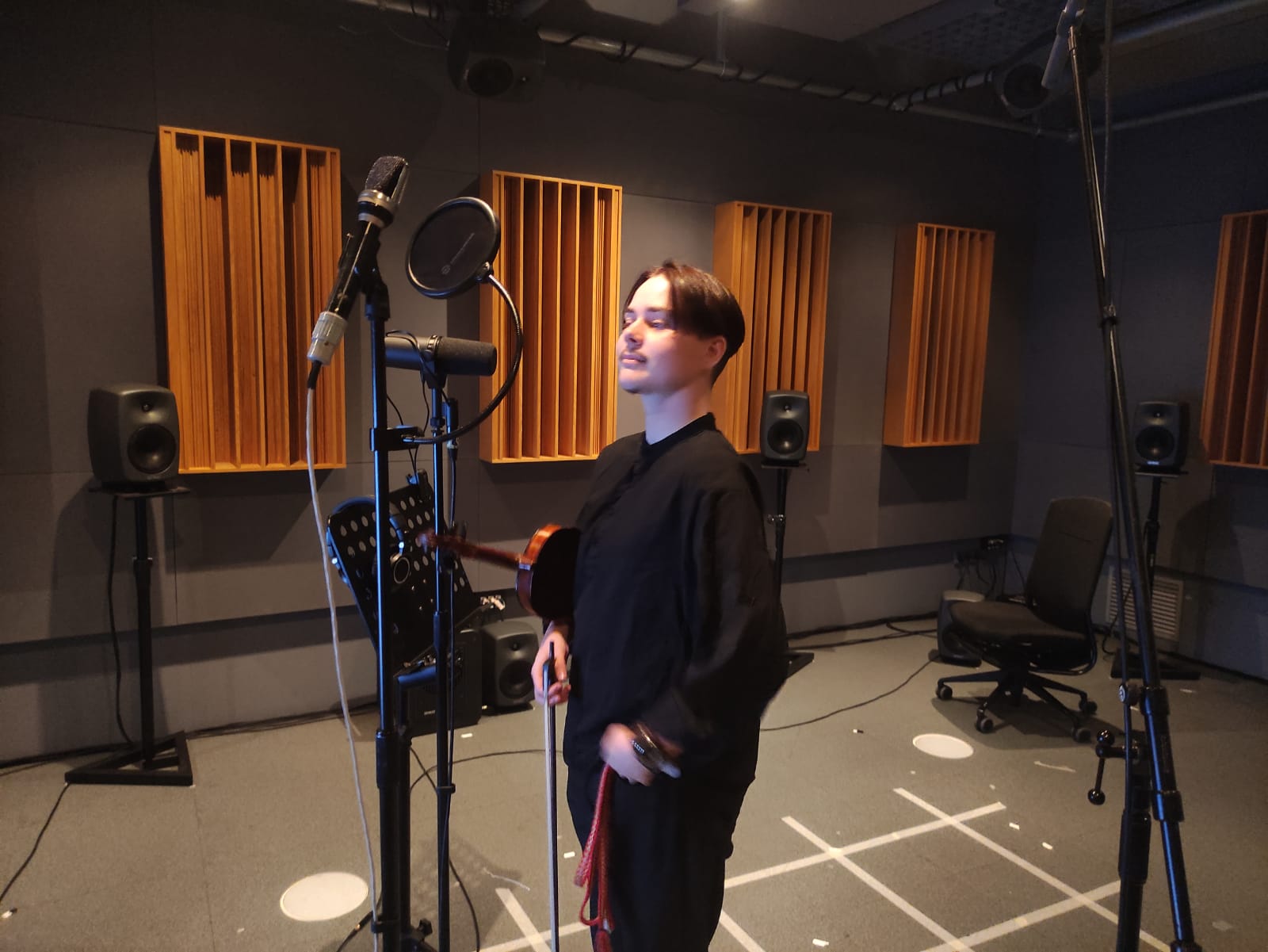
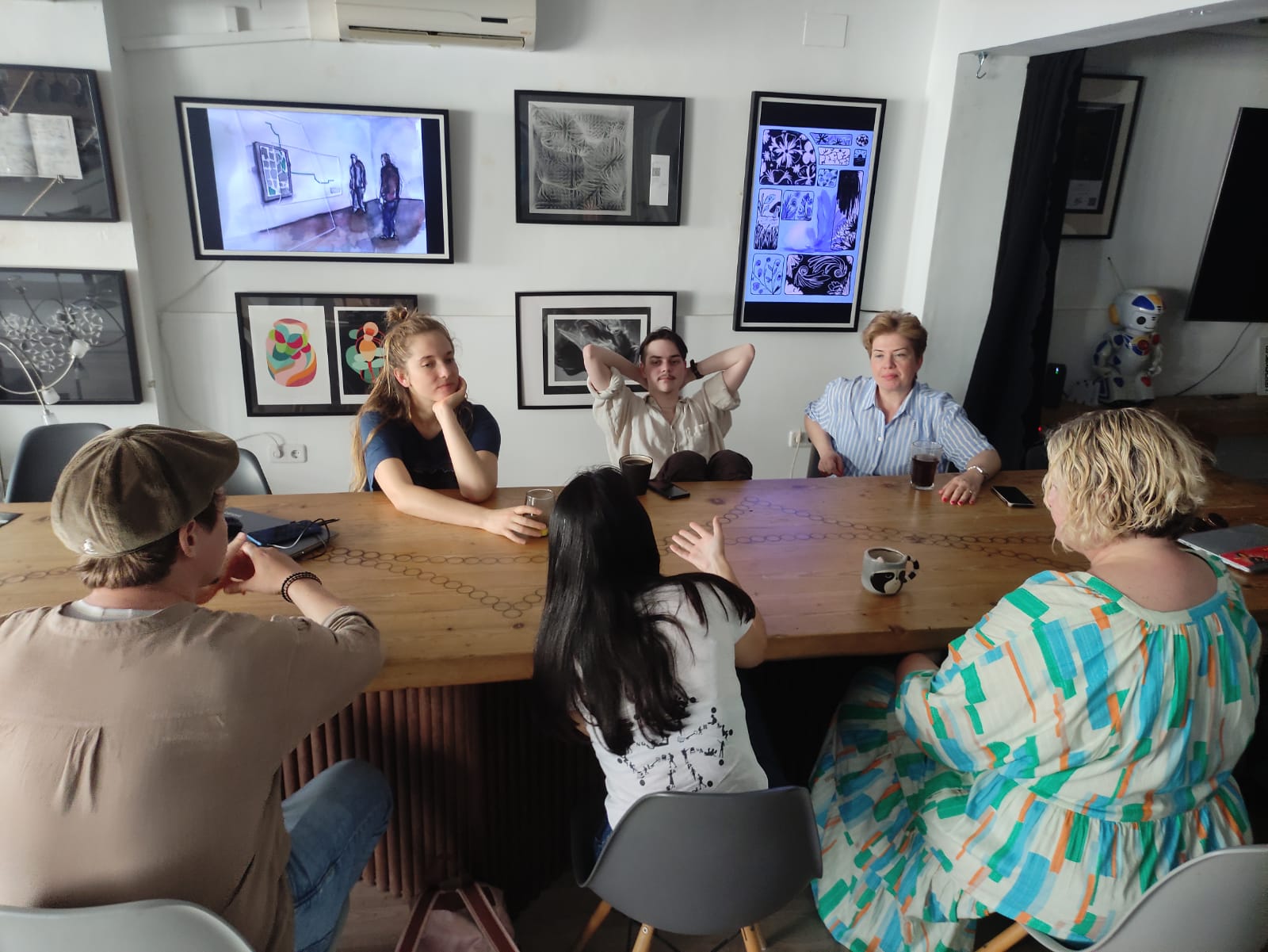
From May 22-29, 2024, the RISE UP project organised “Voices of Community”, an international Artist Residency for minoritised languages. Five spoken word artists and singers came together in Barcelona, each representing one of the five RISE UP communities (Aranese, Aromanian/Vlach, Burgenland Croatian, Cornish, Seto).

Together, they…

  • worked on voice/audio creations in their respective minoritised languages
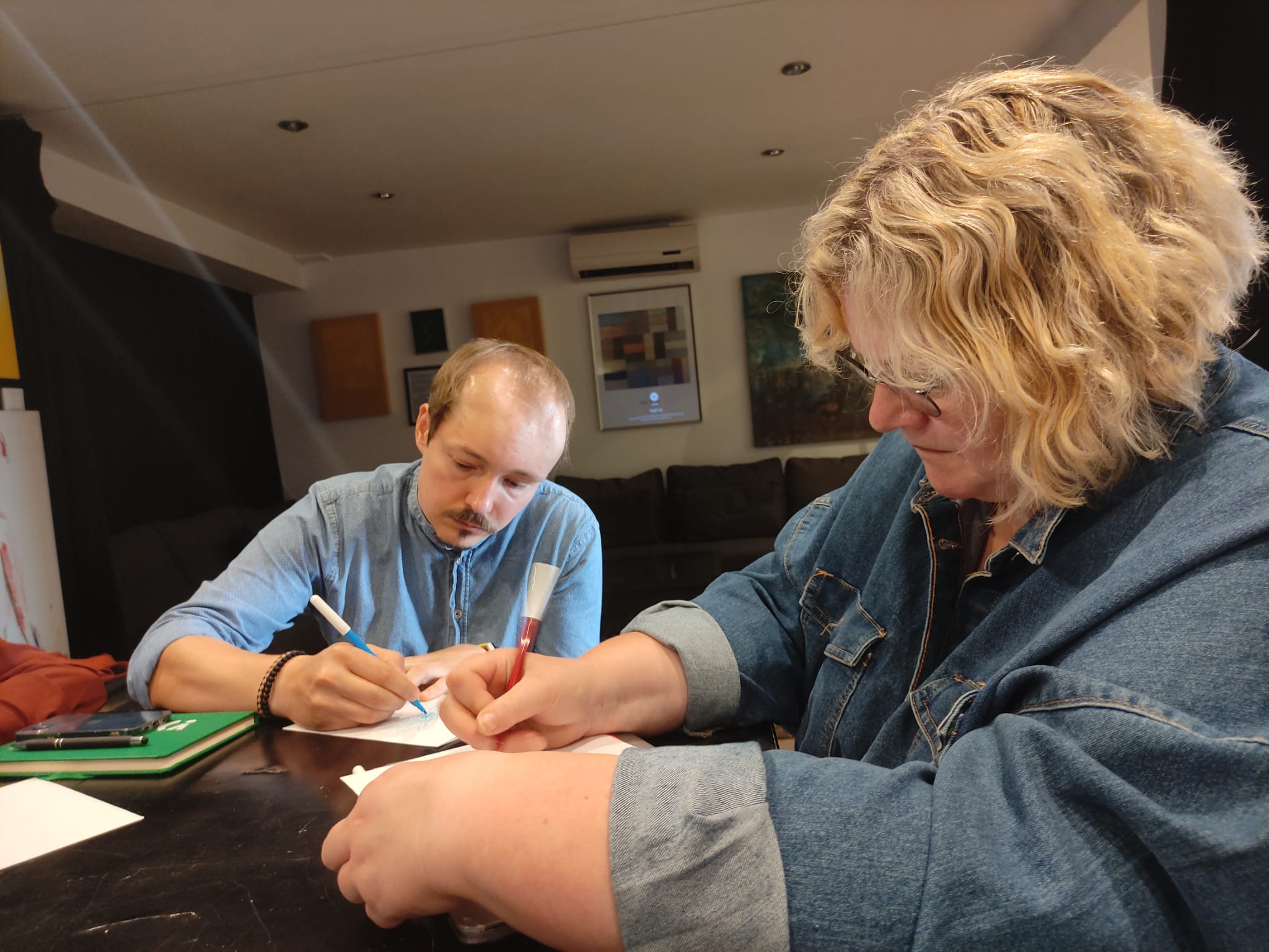
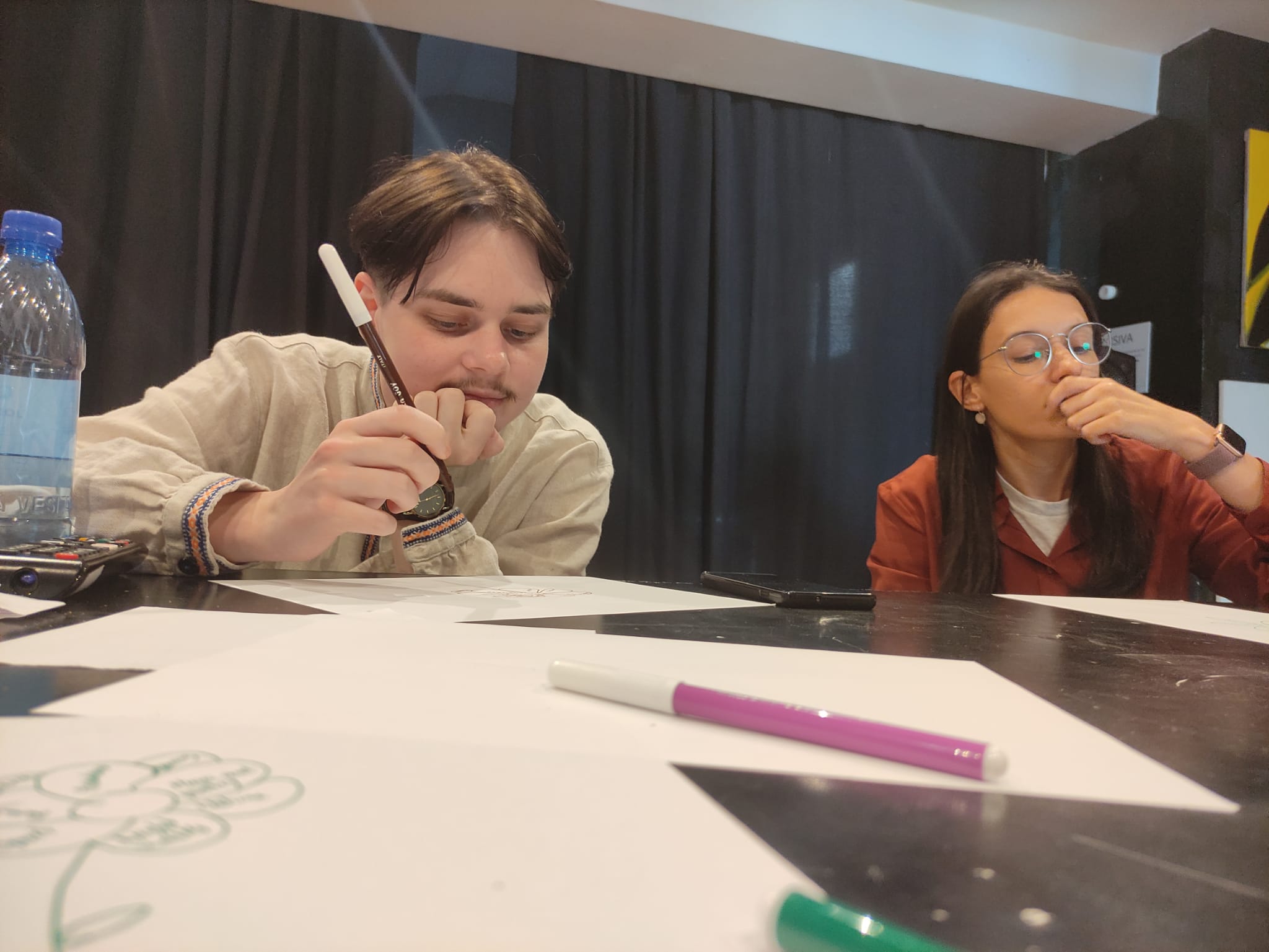
  • collaborated on a joint multi-lingual artwork, supported by musicologist Maika Casalí Masó
  • visited Centre Artesà Tradicionàrius, an artistic center dedicated to traditional arts and culture in Barcelona
  • listened to a “Germans Martorell” concert during the concert cycle “La taverna del CAT”
  • participated in a workshop on networking possibilities for minoritised groups with Sorbian activist Felicia Touvenot from YEN
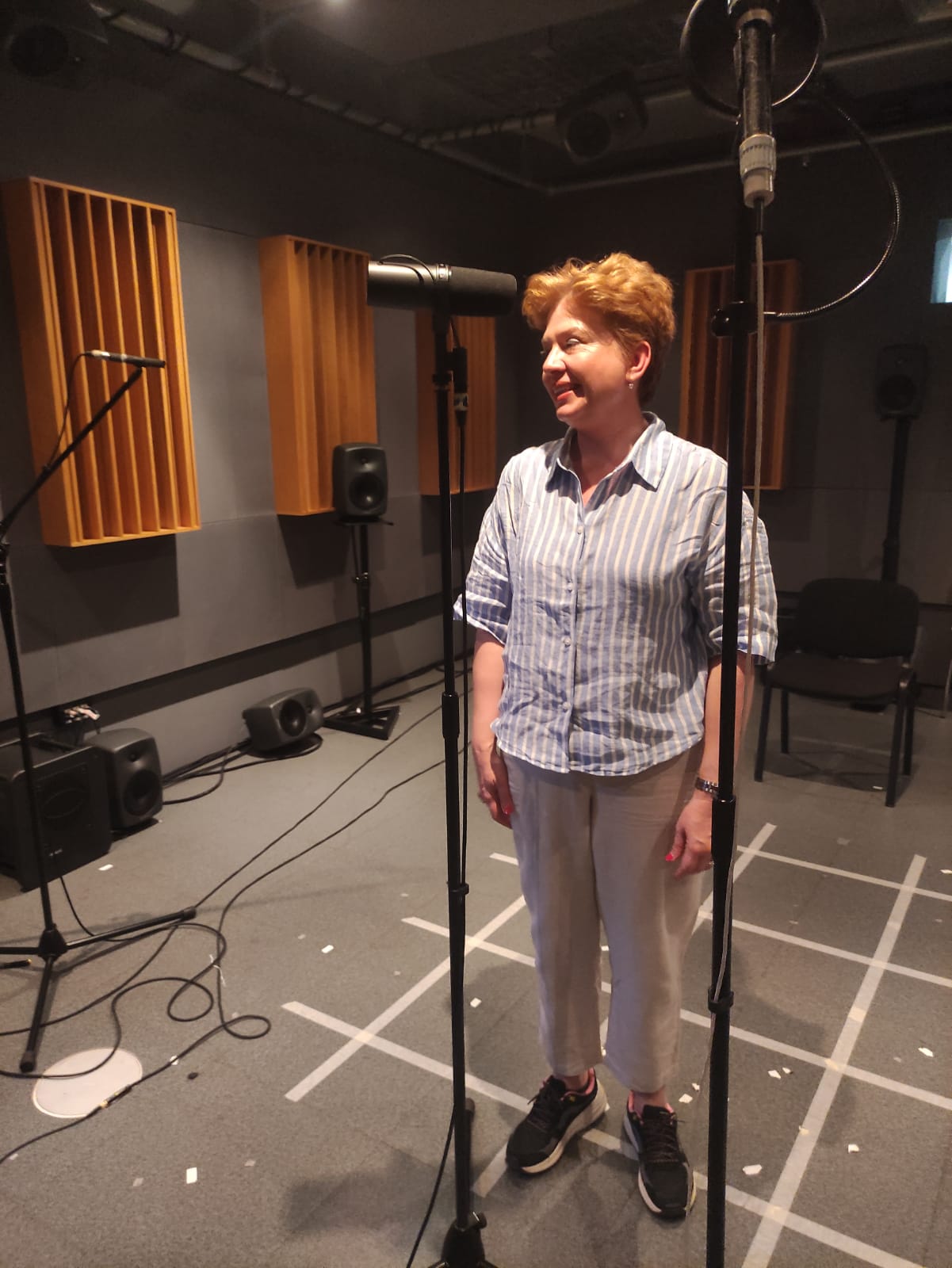
  • shared and discussed creative experiences with Aranese musician Alidé Sans, who also recorded a song in Aranese during her time at the Residency (“Leçons dera agla” – Lessons of the Eagle, see below)
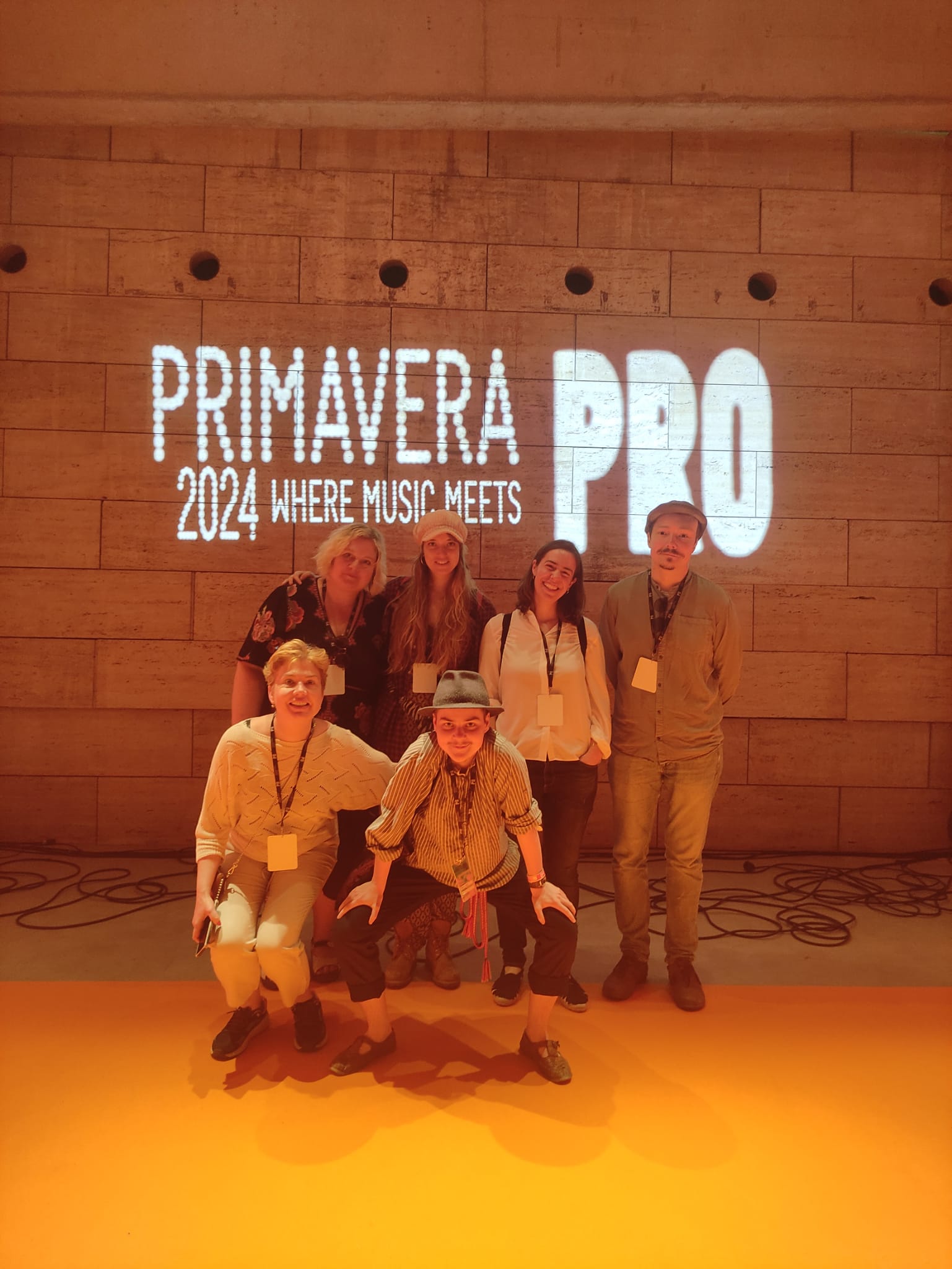
  • and attended Primavera Pro, an established music industry event linked to the Primavera Sound Festival.

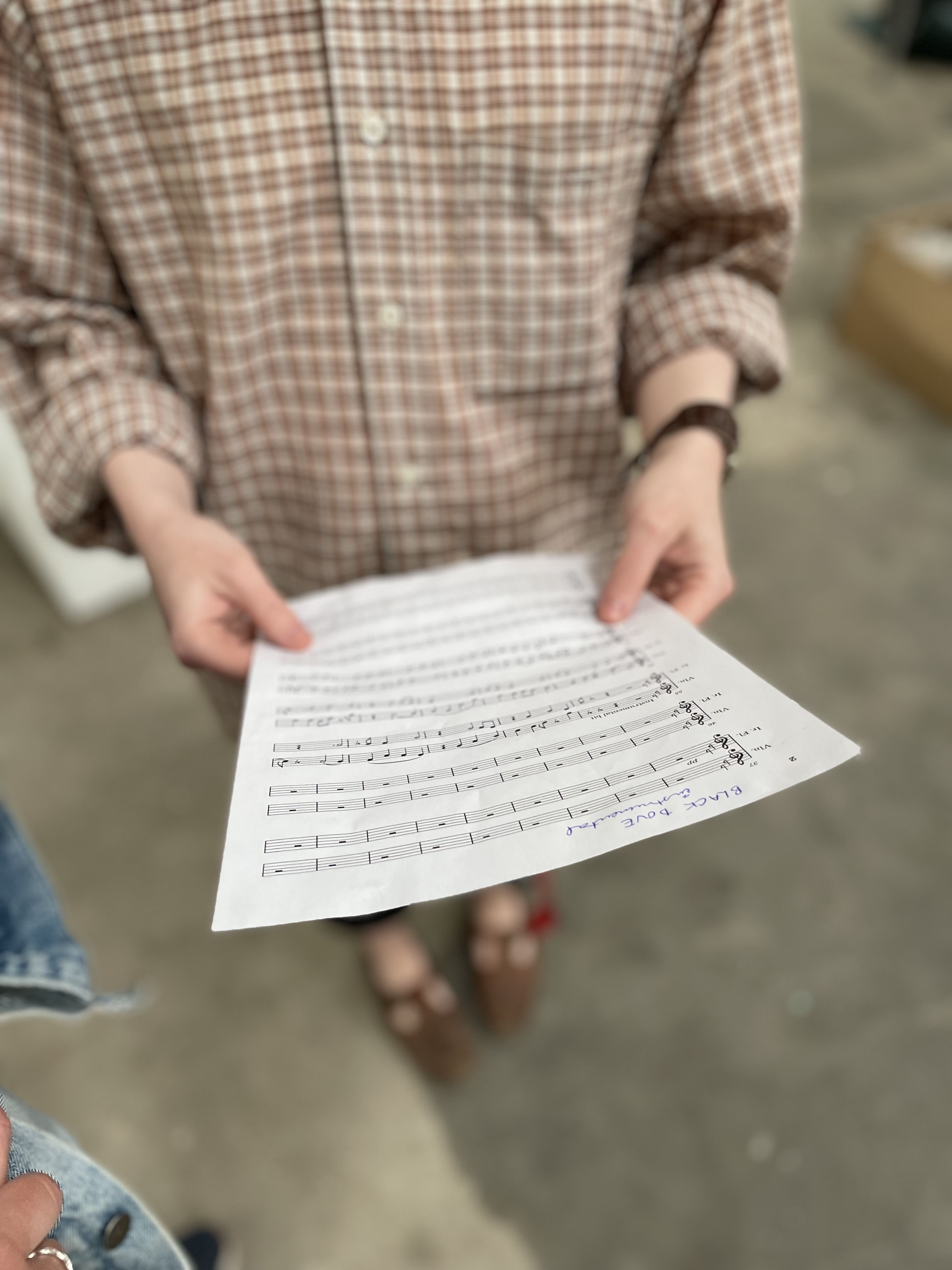
For their individual projects, the artists worked on novel songs and poetry, as well as on interpretations of their traditional culture, which included tales and songs inspired by landscapes, poetry, and folklore.
The ‘Leitmotiv’ of the newly created works was birds. Building on this theme, the artists collaboratively composed “Woodpeckers”, a collaborative piece mixing their languages with English and sounds of nature.
You can read more about the Residency here.

All of their creations can be found as a free bundled album at the very bottom of the page, for which the Creative Commons License CC BY-NC SA 4.0 applies.

ABOUT THE ARTISTS

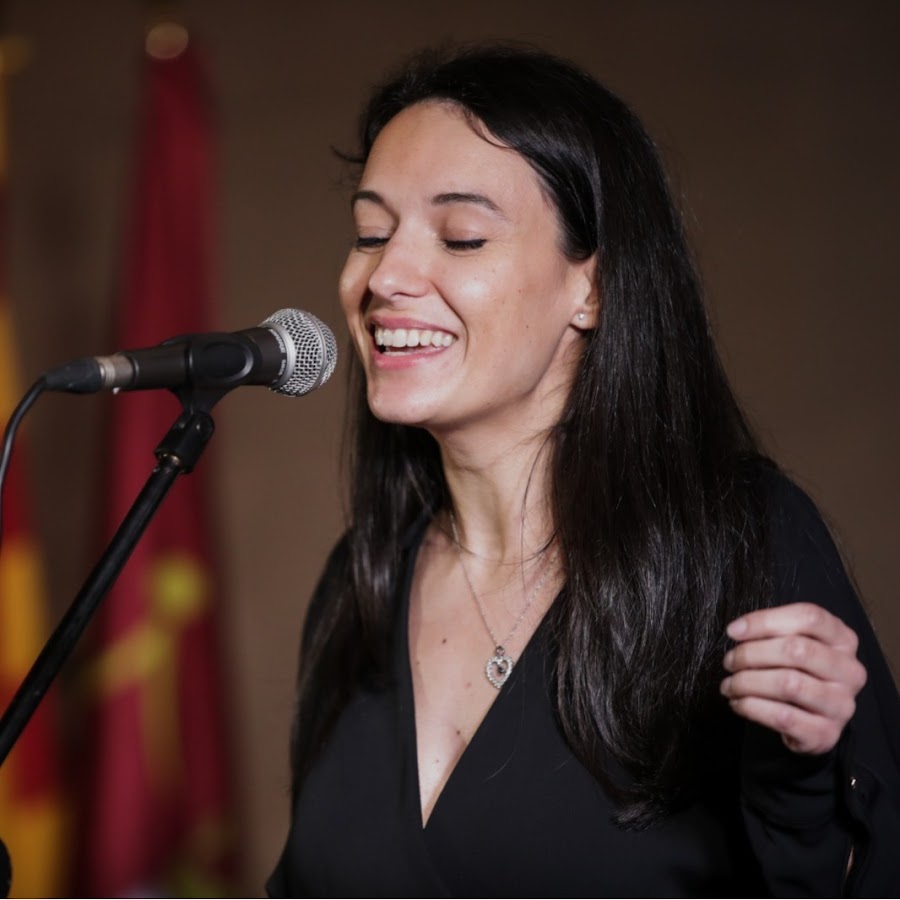
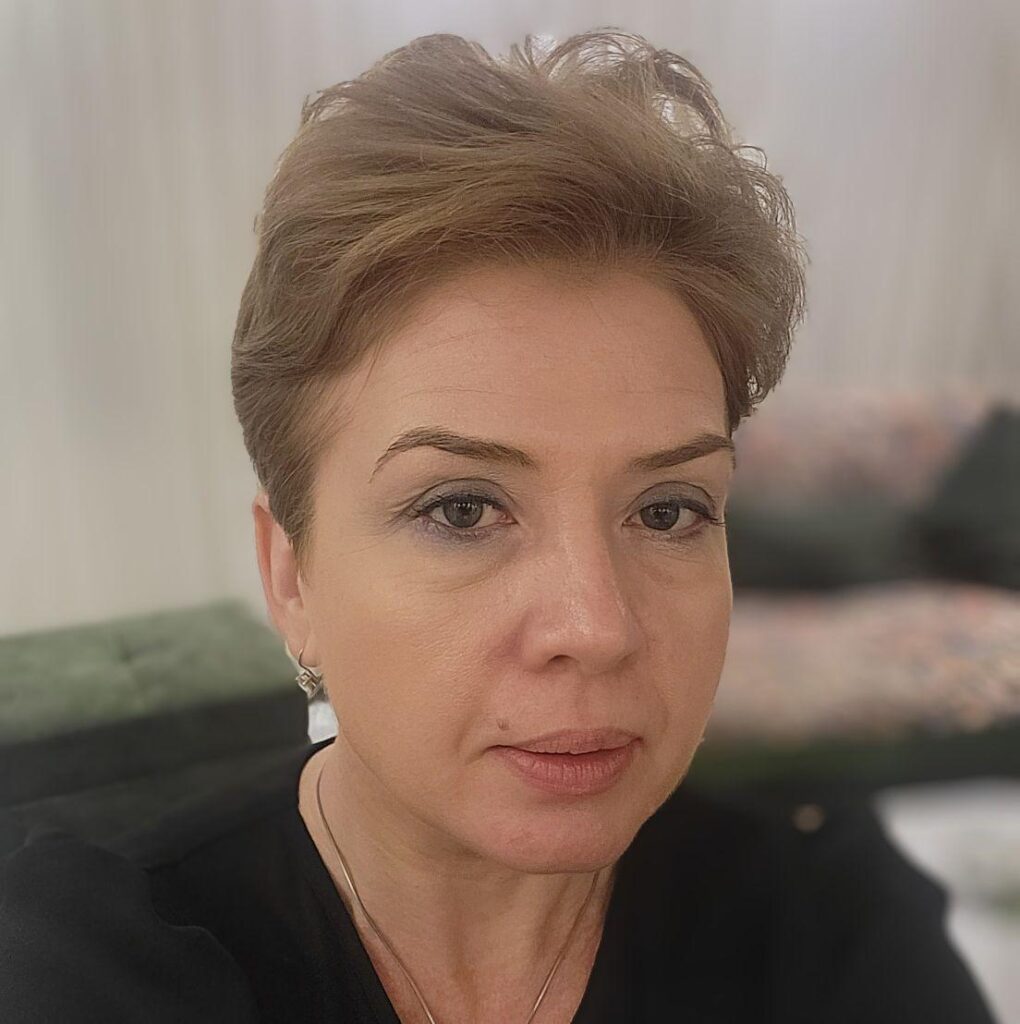
Marina Cuito (Aranese)


Marina’s work at the Catalan Institute of Ornithology inspired the Voices’ chosen collaborative theme of “birds”. A passionate musician, Marina has a YouTube channel for her Aranese songs, as well as Aranese dubbings of popular music, like Disney ballads. In her application, she explained that “Aranese speakers do everything they can to ensure that the language does not die, and I will always try to contribute with my small grain of sand to help them.”


YouTube


dANIELA sTOICA (Aromanian/Vlach)


A full-time professor in the Department of Foreign Languages at the Faculty of Education and Philology, vice-president of the academic Senate at “Fan S. Noli” University of Korçë (UNIKO). Highly multilingually and interculturally attuned, Daniela has a good knowledge of Aromanian and has acted as a cultural ambassador in international research groups and organisations, e.g. the Foundation for Endangered Languages.


LinkedIn

Mario Csenar (Burgenland Croatian)


A medical expert by training and vocation, Mario has also been encouraged by his artistic family to write poems and songs from a young age. He feels both the privilege and the responsibility of keeping the rich cultural heritage of Burgenland Croatian alive, and wrote in his application that “finding what unites us in a world that, at times, feels like it’s drifting apart is indeed a challenge – but a worthwhile one.”


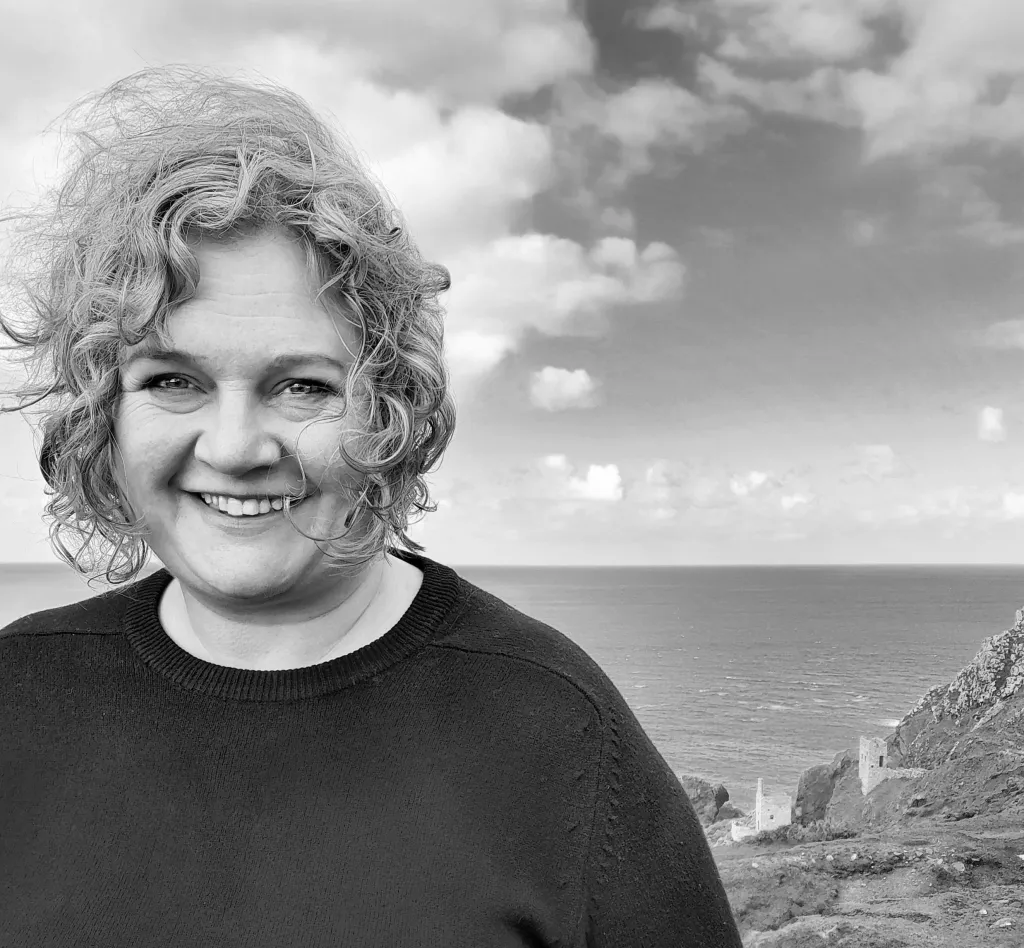
Fiona O’Cleirigh (Cornish)


Having worked as a journalist in London for almost 20 years, Fiona now lives in west Cornwall and is a bard of the Cornish Gorsedh. She has written creatively for many Cornish projects, e.g. the Ordinalia and the award-winning Stations of the Cross Lanust. In her application, she wrote: “We are not gate keepers, but we should run happily through the gates, hoping that others, those from our land and those who take an interest, will join us.”


Instagram


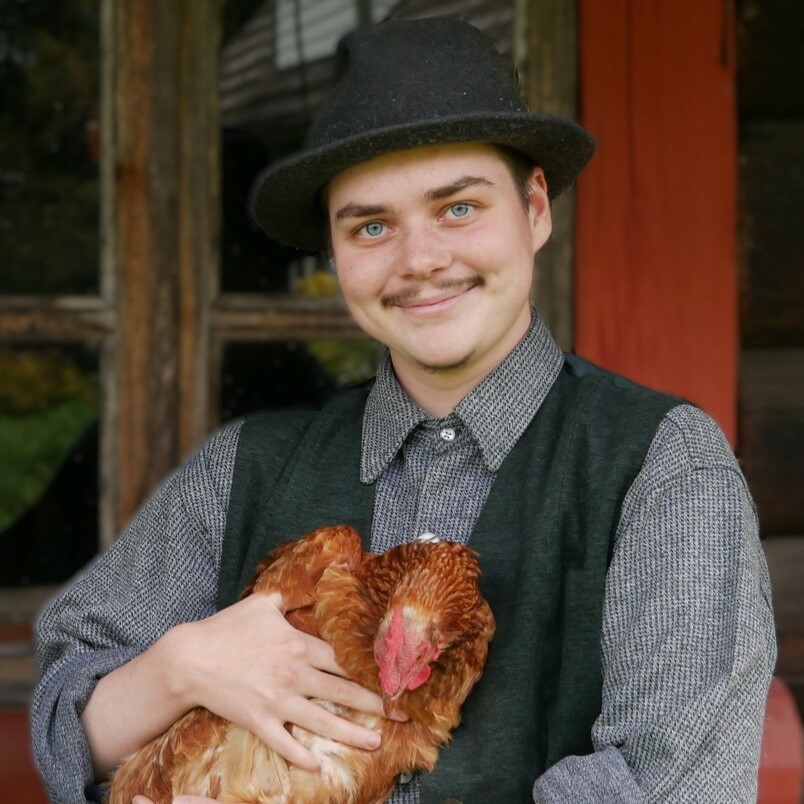
Brett Hiiob (Seto)


At the time of the residency, Brett was about to move on to a Master’s programme in Traditional Estonian Music. Now he has concluded his Bachelor’s degree with a final concert consisting of traditional Seto music, instrumental pieces and folk-songs. In his application, he wrote that “old folk-songs carry a lot of knowledge. Physical objects tell a story about how people used to live, but older Seto runo-type songs tell us what people were thinking, what they believed in and what they valued.”


Instagram


THE #VOICESOFCOMMUNITY ALBUM

MEET THE ARTISTS